


Night Driving in Los Angeles: What Glare and Halos Could Mean for Your Vision
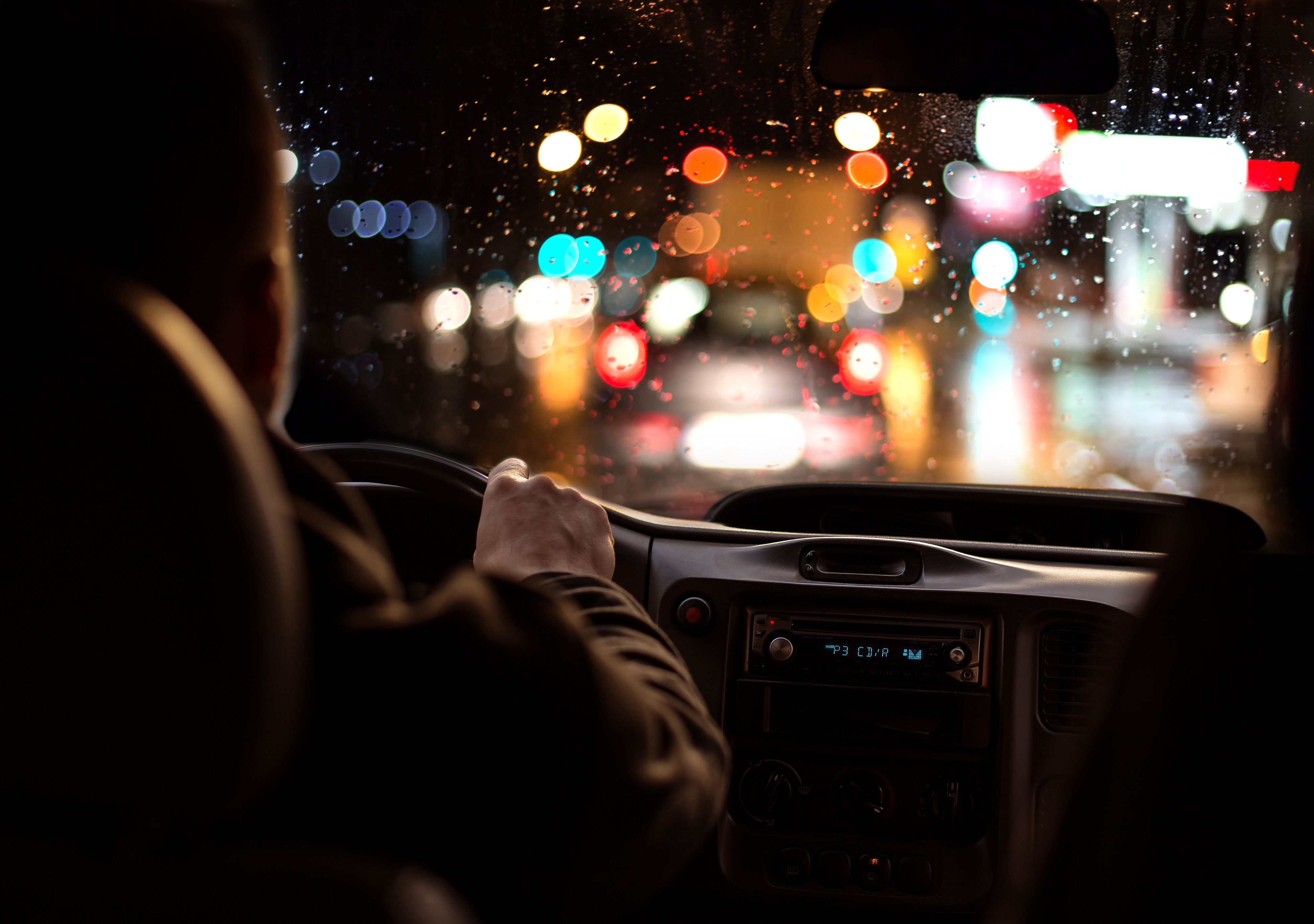
Driving after dark in Los Angeles can be challenging, especially when oncoming headlights, traffic signals, and illuminated signs seem unusually bright. If lights appear surrounded by rings or produce distracting streaks, your eyes may be telling you that something has changed. While occasional glare can happen in difficult lighting, frequent halos or worsening night vision deserve a closer look.
What's the Difference Between Glare and Halos?
Glare is excessive brightness that makes it difficult to see details, such as lane markings or vehicles ahead. Halos are glowing circles that appear around light sources. Both may become more noticeable at night because pupils widen in low light and bright headlights contrast sharply with dark surroundings.
You might notice these symptoms when driving through busy Los Angeles intersections, looking toward oncoming traffic, or traveling on wet streets. These effects are not always caused by a serious condition, but they should not be ignored if they interfere with safe driving.
Common Causes of Night Driving Problems
Several vision and eye health issues can contribute to glare and halos:
· Outdated Prescription: Even small changes in nearsightedness or farsightedness can make distant lights appear blurry or less defined.
· Astigmatism: An unevenly curved cornea or lens can distort incoming light, creating blur, streaks, or starbursts.
· Dry Eye: An unstable tear film can scatter light and cause fluctuating vision, making nighttime visibility more difficult.
· Cataracts: Clouding of the eye's natural lens can increase glare, reduce contrast, and make headlights harder to tolerate.
· Corneal Irregularities: Changes in the shape or clarity of the cornea can affect how light enters the eye and contribute to visual disturbances.
Because these conditions can produce similar symptoms, a comprehensive eye exam is important for identifying the underlying cause.
When Should You Schedule an Eye Exam?
If night driving has become more stressful, you frequently squint at road signs, or you avoid driving after sunset, it may be time for an eye exam.
At Westside Vision Optometry, we evaluate your visual clarity, check your prescription, and assess your overall eye health to help identify potential causes of nighttime glare and halos.
Sudden changes in vision should be evaluated promptly. If you experience sudden vision loss, significant eye pain, or a red eye accompanied by new halos, seek immediate medical attention.
How Can You Improve Your Night Driving Vision?
The best approach depends on what is causing your symptoms. Updating your prescription, addressing dry eye, or receiving further evaluation for cataracts may improve nighttime visibility when those conditions are present.
Anti-reflective coatings on prescription lenses may also help reduce distracting reflections, although they cannot correct underlying eye conditions. Keeping your windshield and glasses clean can further improve visibility. However, if glare makes it difficult to see road markings, pedestrians, or surrounding vehicles, avoid driving until your vision has been evaluated.
Schedule a comprehensive eye exam with Westside Vision Optometry in Los Angeles, CA, to address glare, halos, and other night driving concerns by calling (424) 249-1957 today.


MAP
© 2025 Westside Vision Optometry. All Rights Reserved. Accessibility Statement - Privacy Policy - Sitemap
Powered by: 